 See photos and updates from listings directly in your feed
 Share your favorite listings with friends and family
 Save your search and get new listings directly in your mailbox before everybody else
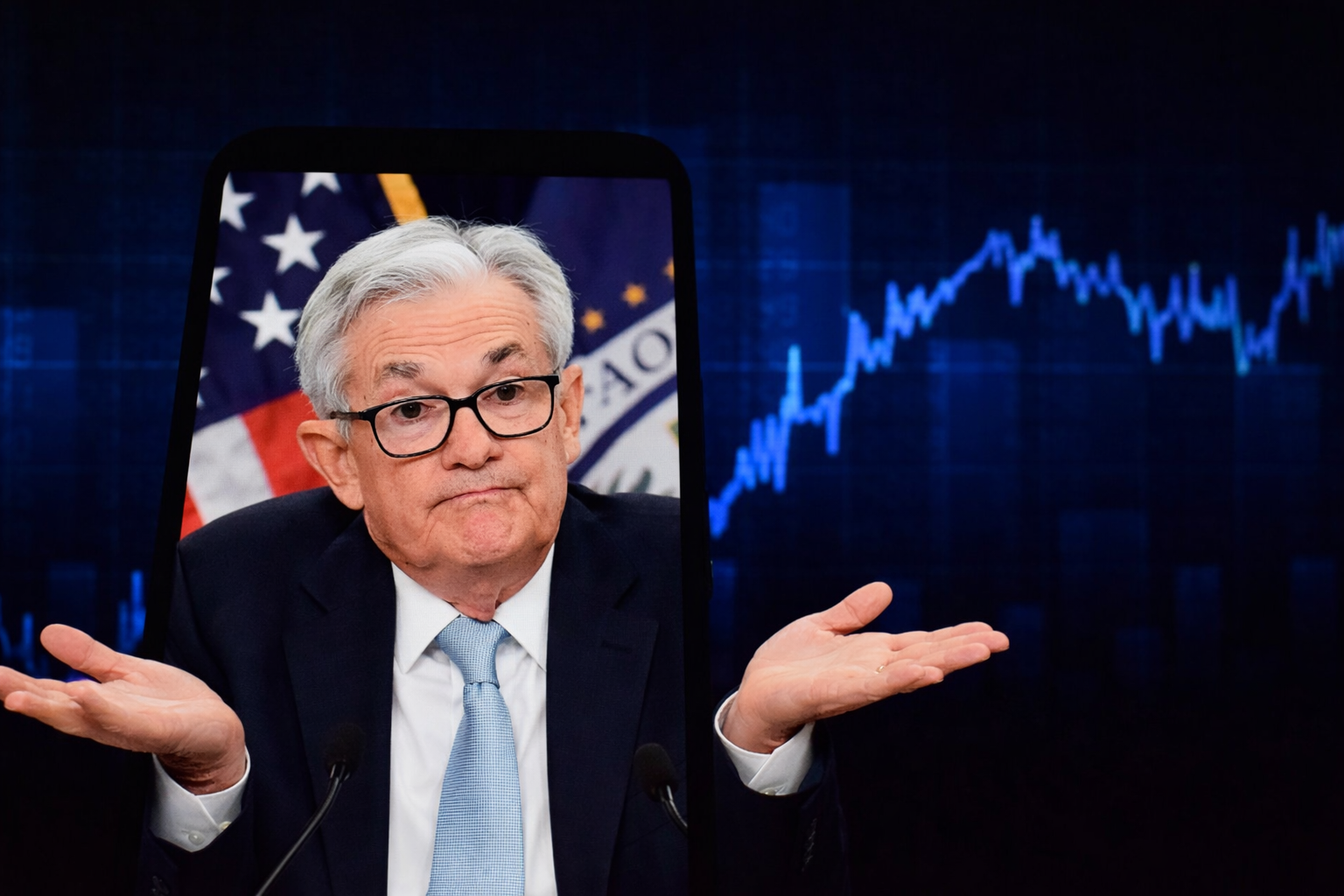
The Federal Reserve held interest rates steady at its latest meeting, despite renewed pressure from the White House to move toward lower borrowing costs. While widely anticipated, the vote exposed growing internal disagreement and heightened external demands on Fed leadership.
In particular, the dissent of Fed Governor Miran, a recent appointee of President Donald Trump, is significant because it shows that calls for lower rates are no longer just coming from outside political actors; they are now part of the Federal Reserve’s own internal discussions, reflecting growing divisions within.
This dynamic between political tension and internal division at the Fed directly influences mortgage markets and real estate prices.
A Fed Under Pressure — But Holding the Line
The Trump administration continues to favor lower rates, arguing they would boost growth and housing affordability. Meanwhile, pressure on Chair Powell to hasten rate cuts or step aside is growing.
Despite this backdrop, the Fed opted to hold rates steady, reinforcing its institutional independence. The message was clear: monetary policy will not be dictated by political timelines.
But independence does not mean unanimity.
Miran’s Dissent Signals a Shift Inside the Fed
Governor Miran’s vote to lower rates—alongside one other dissenter—is notable not for changing the decision, but for what it signals: internal disagreement now reflects external political pressure. Miran’s stance, closely aligned with the administration’s preference for a simpler policy, brings that push directly into the Fed’s deliberations, heightening focus on how divided the central bank has become. Senting votes at the Fed are relatively rare, and when they occur, markets pay attention. They suggest that while leadership is holding firm for now, the internal debate has moved decisively toward when rates should come down—not if.
For interest-rate-sensitive markets, knowing a rate cut is likely is critical: it shapes pricing now, not just later.
Why Mortgage Markets Care More Than Headlines
Mortgage rates do not move in lockstep with the Fed Funds rate. Instead, they are driven by longer-term Treasury yields and the behavior of mortgage-backed securities, both of which are heavily influenced by expectations about future policy.
A rate pause combined with visible dissent sends a nuanced signal to bond markets:
- The peak of restrictive policy is likely near.
- The probability of future rate cuts is increasing.
- Policy uncertainty is shifting from direction to timing.
As expectations for future easing grow, mortgage bond markets tend to stabilize, volatility eases, and downward pressure on mortgage rates builds—even before any official cut.
What This Means for Mortgage Rates
In the near term, mortgage rates may stay high. Political pressure alone does not lower rates and could delay easing if the Fed defends its independence.
However, over the medium term, continued internal dissent—especially from politically appointed members—adds weight to the case for gradual rate relief. Historically, mortgage rates begin trending lower well before the first Fed cut, as markets price in the future path of policy rather than waiting for confirmation.
This aligns with past cycles: markets move before the Fed does, anticipating relief.
Implications for Real Estate Prices
In real estate, subtle forces shape outcomes: market shifts emerge as borrowers expect lower rates ahead.
High rates continue to suppress transaction volume, but they also keep inventory constrained as homeowners cling to low-rate mortgages. Prices, particularly in supply-limited and higher-end markets, remain supported.
What ultimately shifts housing demand is not a dramatic rate cut, but a change in expectations. When buyers believe rates are more likely to fall than rise, activity tends to return—often quickly and unevenly.
That’s why real estate markets frequently move ahead of policy.
The Bottom Line
The Fed’s decision to hold rates—despite mounting political pressure and internal dissent from Trump appointee Miran—highlights a central tension shaping today’s markets. Chair Powell remains under pressure to move faster, but for now, the Fed is prioritizing credibility and independence.
Mortgage and real estate markets sense change ahead. Relief isn’t here yet, but expectations are recalibrating toward a softer path.
Expectation shifts—not the first policy move—usually lead housing’s next phase: watch market sentiment closely.